European Veterinary Practice Standards 2026: Biosecurity, Medicines Regulation, and the "Triple R" Workforce Manifesto at the FVE Assembly.
Dear colleagues, the domestic veterinary profession stands on the threshold of large-scale integration into the European legal and economic space. Our participation in the General Assembly of the Federation of Veterinarians of Europe (FVE)—held from June 11 to 14 in Rovaniemi, Finland—provides a clear insight: the trends discussed here today will tomorrow form the foundation for Ukrainian legislation and veterinary practice.
According to the official program schedule (Agenda GA Finland Final.pdf), the keynote session on the first day was entirely dedicated to updates on strategic dossiers regarding animal health, the circulation of medicines, public health, and veterinary education. This panel was exceptionally comprehensive; therefore, we present a detailed, in-depth analysis of each section—valuable information for every clinic owner and practicing veterinarian in Ukraine.
1. Animal Health and Europe’s New Era of Biosecurity.
Session speakers: J. Clark and W. Jansen.
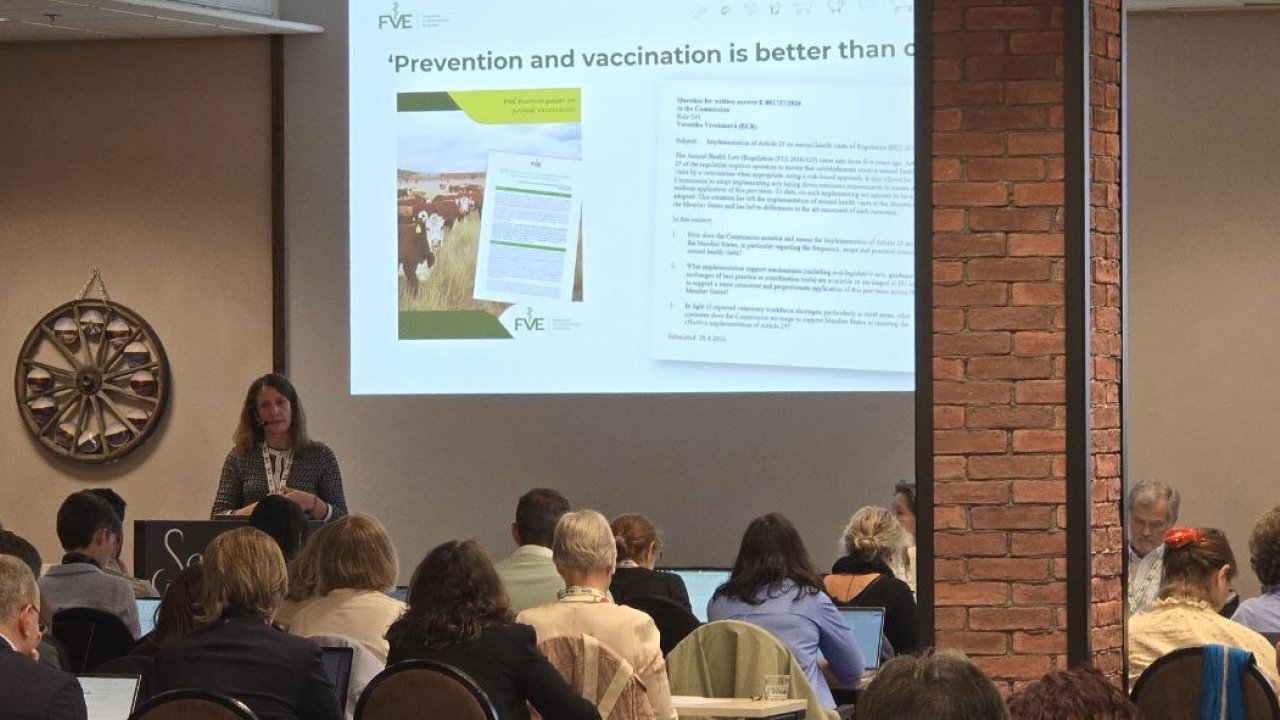
Issues regarding biosafety and preparedness for infectious disease outbreaks have moved to the level of pan-European management. Speakers presented the results of expanding specialized biosafety webinars within the framework of European programs. The primary goal is to make critical information about the epizootic situation as accessible as possible to farmers, the media, and all stakeholders through modern notification systems.
Key insights from the session:
- Cost of prevention: Work is actively underway on a comprehensive position paper that assesses the monetary and non-monetary costs of vaccination, preventive measures, and biosecurity. The authors aim to clearly link the financial benefits of timely prevention to the actual costs associated with treating disease outbreaks.
- Veterinary visits and call-outs: The Assembly discussed in detail and formally approved amendments to the position paper regarding veterinary visits for animal health monitoring. It was clearly noted that the main challenges in implementing such visits stem from the lack of unified safety standards across different regions.
- Rural workforce: Organizers are awaiting an official response from the European Parliament regarding how the updated legal framework can help address the shortage of veterinary professionals in rural and remote areas. A special seminar on veterinary visits, to be held at the European Parliament, has also been announced for interested stakeholders.
2. Veterinary medicines: prescribing cascade flexibility, shortages, and the "Triple R" initiative.
Session speakers: P. Kwiecinski and M. Maric.
This session sparked the most discussion, as regulations governing the use of medicines directly impact the daily operations of any veterinary clinic.
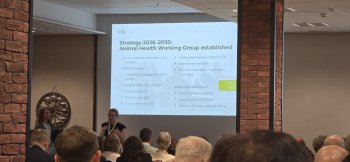
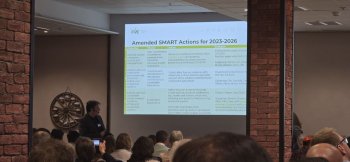
Completion of the Smart Action Plan: Work on the action plan for harmonizing veterinary prescriptions in Europe—which involved detailed data collection and reporting—has officially concluded. At the same time, the development of unified guidelines for oral medications was halted because participating countries failed to establish the necessary national databases; this prompted the FVE to shift its focus toward reducing excessive bureaucracy.
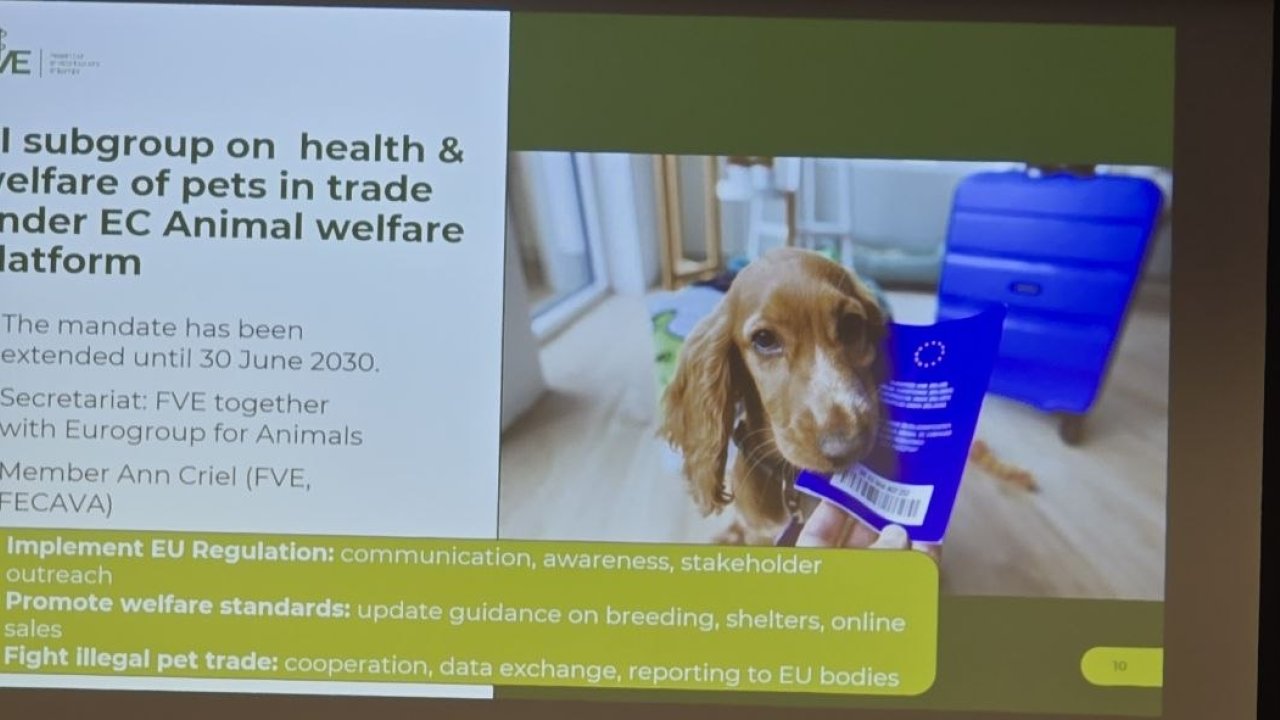
The "Triple R" Initiative (Recruitment, Retention, Return): This is a strategic priority aimed at addressing the workforce crisis. The program focuses on three areas: attracting young people to the veterinary field (Recruitment), retaining current professionals and combating burnout (Retention), and bringing veterinarians who had temporarily left the profession back into practice (Return).
Flexibility of the "Cascade" System: FVE representatives held a series of meetings with the European Commission (with the next one scheduled for July 23) to advocate for the interests of practicing veterinarians. They presented real-world examples illustrating why veterinarians require legal flexibility to utilize the "cascade" system—which involves using human medicines or drugs intended for other animal species—when officially authorized veterinary products are unavailable on the market.
Pharmacovigilance and safety: Emphasis was placed on the importance of recording cases of treatment failure (absence of the expected therapeutic effect). Such data serve as a crucial tool in negotiations with the European Commission. Colleagues also highlighted World Veterinary Medicines Safety Day (April 8), an initiative that encourages veterinarians to be more proactive in reporting adverse effects. Combating resistance and shortages: Over 40 organizations have signed a "preventive pledge" to protect small companion animals from parasites. Given the rising resistance of parasites to existing drugs, a proposal has been made to establish a unified European Center for Antiparasitic Therapy.Separately, the "Net Plus" coalition reported a catastrophic shortage of medicines for minor animal species (small ruminants, waterfowl, and turkeys); studies have shown that the availability of drugs for these animals has only worsened since the introduction of new regulations in 2019.
3. Veterinary Public Health (VPH) and Sustainable Development.
Session Speaker: O. Alvseike.
The modern veterinarian is a guardian not only of animals but also of humanity. This panel showcased successful initiatives highlighting the veterinary community's contribution to preparedness for future global pandemics and the development of sustainable agriculture. Additionally, a major expert workshop on the future of food security in Europe has concluded, with strategic debates on environmental and economic sustainability scheduled for June 19.
4. Veterinary Education, Ethics, and Legal Precedents.
Session speakers: M. Fornasier and D. Gerstner.
The professional status of a veterinarian requires clear legislative protection. The community was introduced to an update of the Veterinary Code of Conduct, specifically the creation of a "List of Reserved Veterinary Activities." This list outlines procedures that may be performed exclusively by qualified veterinary surgeons. The document is advisory in nature and is open to comments and amendments from national associations until mid-July. Work is also underway to establish a unified legal definition of the term "veterinarian" at the continental level.
To conclude the session, a high-profile legal precedent was examined: the European Commission’s lawsuit against France regarding ownership rules for veterinary clinics (a case similar to previous proceedings concerning Austria). As this topic is highly sensitive for investors and corporate businesses, a detailed analysis has been scheduled for the working group’s next in-person meeting in Brussels this autumn.
An insider’s perspective: lessons for the Ukrainian veterinary business.
Sharing my personal impressions of my time in Finland—from the unique local livestock farming practices to the amazing polar day—I want to highlight the key takeaway: our European colleagues overcome global challenges through intergenerational cooperation and the involvement of every veterinarian in decision-making processes. The values upheld by the FVE serve as fundamental guiding principles for our NGO, the Society of Veterinary Business Owners (uacbbc.org):
- Protecting physicians' interests vis-à-vis the state: We must collectively press Ukrainian regulators for flexibility in medication use and a reduction in bureaucratic pressure.
- Implementing biosafety measures: Clinics in Ukraine must adopt unified, transparent safety standards for both patients and staff.
- Addressing the staffing shortage: The "Triple R" initiative needs to be implemented in Ukraine. We must create conditions that encourage young professionals to remain in the field and see prospects for financial and professional growth here.
No single clinic owner can change the system or influence legislation on their own. But together, we are a powerful force. Join the UACBBC (Society of Veterinary Business Owners) via our official website, uacbbc.org. Your ideas, experience, and participation in our working groups will help build a European future for Ukrainian veterinary medicine—starting today!
Andrii Klietsov, Chairman of the Board, Society of Veterinary Business Owners.