EAZWV: Update on the activities of the European Association of Zoo and Wildlife Veterinarians
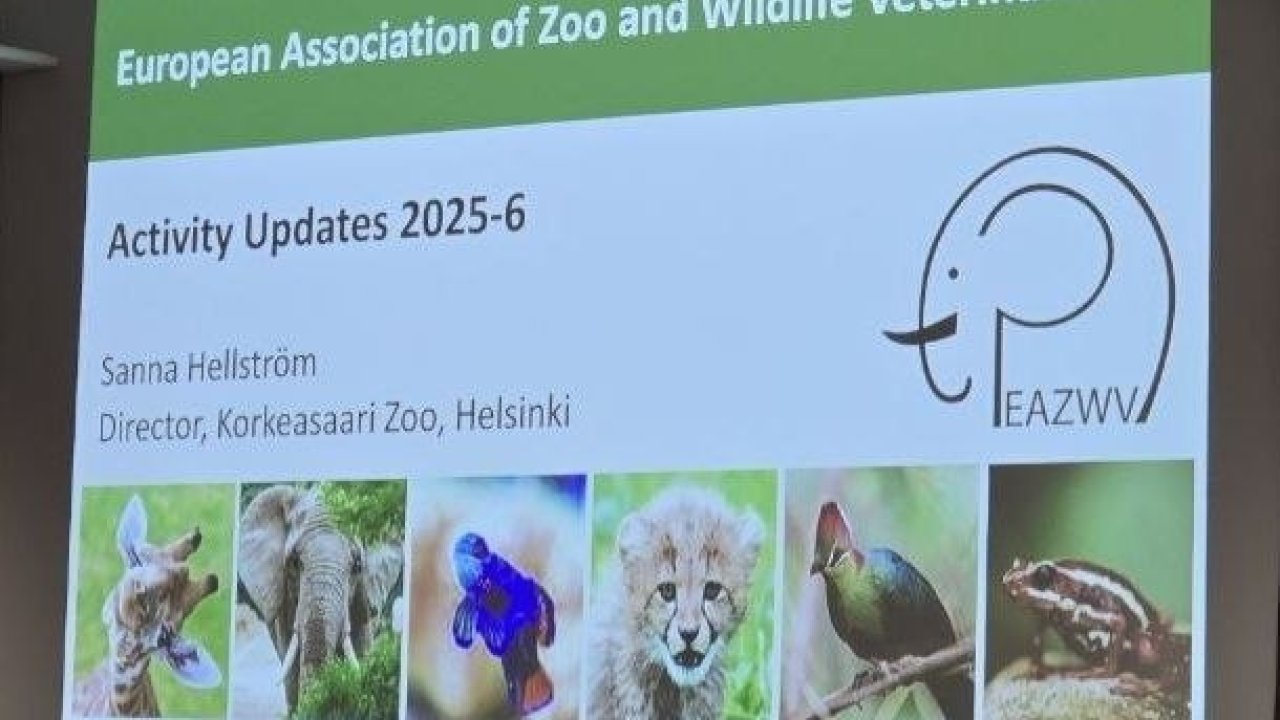
On June 11, 2026, a report by EAZWV (European Association of Zoo and Wildlife Veterinarians) was presented during the UEVP General Assembly in Rovaniemi. The report was presented by Sanna Hellström, and a representative of the association also participated in the discussion.
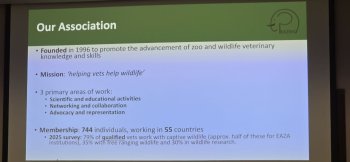
EAZWV was founded in 1996 and today unites veterinarians working in zoos, wildlife rehabilitation centers, scientific institutions and directly in the wild. The association includes specialists from 55 countries and is an important platform for the exchange of experience, as information on many exotic animal species is limited.
Legislative Lobbying and Regulatory Challenges
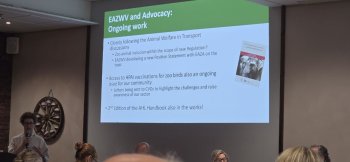
One of the priorities of EAZWV is active lobbying at the European Union level. The association seeks a clear separation of zoo animals from agricultural production animals in legislation.
Currently, in European law, zoo animals often fall into the same category as productive animals. This creates problems, as the conditions of housing, transport, veterinary care and biological needs of these animals are significantly different. EAZWV is working to obtain appropriate exemptions and a more precise interpretation of the legislation.
The association also draws attention to the inconsistency of animal transport rules between countries and differences in approaches to vaccination (in particular, regarding avian influenza). Zoo animals are usually transported individually or in small groups, rather than in bulk cargo shipments, and therefore require separate regulatory approaches.
Supporting professionals and disseminating knowledge
EAZWV actively supports its members through:
- Preparation of the second edition of the Interpretation Guide to the Animal Health Act in the context of zoos.
- Maintaining a database on transmissible infectious diseases of exotic animals.
- Providing grants for participation in conferences.
- Close cooperation with European and American zoological associations, as well as with the European College of Zoological Medicine.
The association's next conference will be held in Munich, together with its American counterparts. In 2027, EAZWV will celebrate its 30th anniversary.
The challenges of managing captive elephant populations
Special attention was paid to the issue of keeping elephants in zoos and centers. One of the serious problems is the excess of males in populations kept by humans. Elephants live in complex family groups, and the integration of animals from different sources is very difficult, expensive and requires significant spatial and social conditions. The issue of the quality of keeping animals in zoos compared to sanctuaries was also discussed. According to EAZWV representatives, zoos usually have better resources and more qualified veterinary care, although there are also high-quality sanctuaries.
Why is this important for Ukraine?
There are several zoos and wildlife rehabilitation centers operating in Ukraine, and the issues of veterinary care for exotic species, as well as compliance with European standards for keeping and transporting animals, are relevant.
The activities of the EAZWV demonstrate how the professional community can effectively influence the formation of legislation and standards in a specific field - work with wild and exotic animals. This is also important in the context of Ukraine's European integration, as the issues of animal welfare and veterinary supervision of zoos and rehabilitation centers will gradually gain greater importance.
The NGO “Socirty of Veterinary Business Owners” continues to monitor European practices and standards in various areas of veterinary medicine, including in the field of working with wildlife and animals kept in captivity.
Andrii Klietsov, Head of the NGO Board "Society of Veterinary Business Owners".
IVSA: Update on the activities of the International Veterinary Students’ Association
On June 11, 2026, a report by the IVSA (International Veterinary Students’ Association) was presented during the UEVP General Assembly in Rovaniemi. The report was presented by Eirini Polygerou, IVSA’s regional representative for Europe.
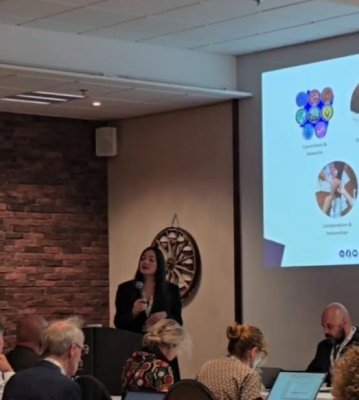
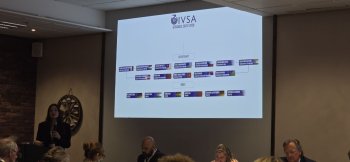
IVSA is the largest international non-governmental student organization in the world. It unites veterinary students from approximately 80 countries. The association is structured with local chapters in countries that are organized into regions, which in turn report to a global council. The organization also has specialized communities dedicated to areas such as One Health, student mental health, and veterinary career development.
Student Activities and Support
IVSA actively develops an alumni network, through which former members of the organization can support current students. The association also manages a development fund, the funds of which are formed through auctions and donations. These funds are directed to support students from countries who do not have the financial opportunity to participate in seminars, webinars and workshops.
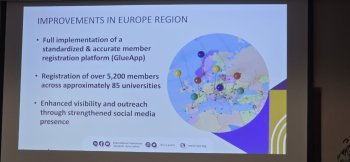
This year, IVSA launched a new online platform, which already has over 5,200 members from 134 countries. The association is active on social media, including Instagram, where it runs regular projects and awareness campaigns.
IVSA Global Symposium
The IVSA Global Symposium was recently held, with 79 students from 14 countries attending. Over half of the participants were attending the event for the first time, demonstrating the organization’s ability to maintain student engagement throughout the duration of their studies. The association’s next global event will include the election of new leadership.
IVSA in Ukraine
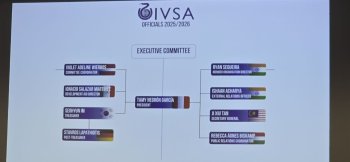
In Ukraine, there is an IVSA representative office, which is developing on the basis of the Bila Tserkva National Agrarian University. At the same time, if there is a desire to create an independent IVSA branch that will not be subordinate to the Bila Tserkva NAU, you can contact IVSA directly. We had a conversation with the regional representative for Europe Eirini Polygerou, as well as with the current president of IVSA Tamy Negrón García. She is open to providing support in creating such an independent association. It is important to recall that IVSA is a student organization that must operate independently of adult veterinary associations and structures.
Why is it important?
IVSA plays an important role in the professional development of future veterinarians, promotes the development of international cooperation, exchange of experience and the formation of leadership qualities among students. Supporting student initiatives and creating active IVSA centers in Ukraine can contribute to improving the quality of veterinary education and involving young people in the professional community even at the stage of study.
The NGO "Society of Veterinary Business Owners". supports the development of student veterinary organizations in Ukraine and considers it important to strengthen ties between the student and professional veterinary communities.
Nataliy Klietsova, Public Relations Manager, NGO "Society of Veterinary Business Owners" (on a volunteer basis).