European Grants, Infection Control, and the Future of Veterinary Science: An Administrative Overview of FVE 2026 Projects.
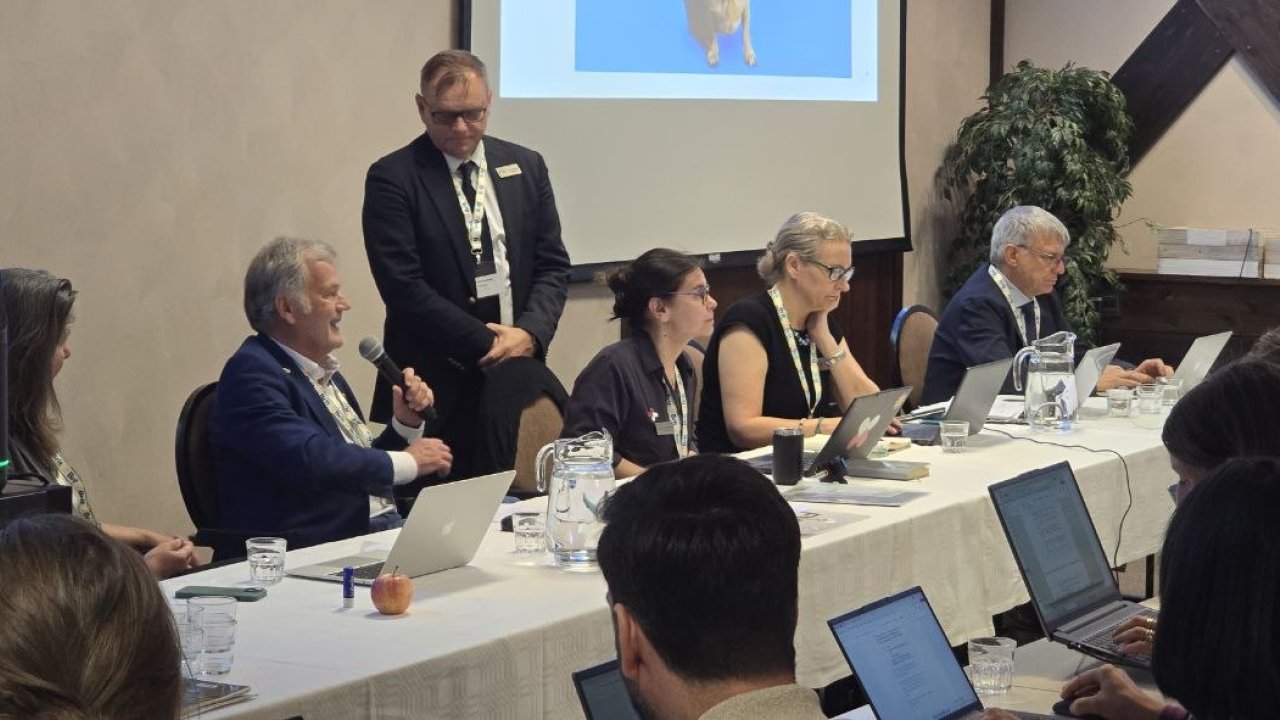
Dear colleagues, as Secretary of the SVBO, I continue to update you on the proceedings of the FVE General Assembly in Finland, drawing on the official "Agenda GA Finland Final.pdf" document. The second half of the second day was entirely dedicated to the practical implementation of large-scale European projects funded by the European Union.
Our association is directly involved in these projects, as research findings, the development of new clinical guidelines, and international fellowships directly shape the trajectory of the veterinary business in Ukraine. I present a detailed report on the key panels of this session.
1. The TDN Project: Enhancing the Resilience of Europe’s Dairy Sector.
The first major section of the report covered the results of the TDN project, an EU-funded initiative based on the use of specialized contact systems (CCC systems). Its primary goal is to enhance animal welfare, improve animal health, and ensure the economic sustainability of European dairy farming. The project brings together 26 partners across Europe who have established a network of national hubs for sharing innovations.

Project Results and Challenges:
- Success Stories: The organizers conducted 32 practical sessions that received excellent feedback. A substantial information base was established: three newsletters were issued (reaching approximately 800 subscribers) and video interviews were produced; additionally, nine webinars were organized, attracting over 600 participants.
- Procedural Challenges: The project team encountered low levels of farmer engagement in certain regions, as well as a shortage of qualified trainers in countries that already have their own well-developed local programs.
- Bureaucratic pressure: The primary organizational hurdle remains adapting the program to the specific requirements of individual countries, as any change to the protocols necessitates mandatory and time-consuming approval from the European Commission.
In its final year, the TDN project plans to publish materials directly on professional forums and encourages the community to subscribe to its YouTube channel for access to educational videos.
2. Major Launch of JAMRAI-2: A New Level in the Fight Against Antimicrobial Resistance.
Our Association places special emphasis on its participation in the JAMRAI-2 project (the Second European Joint Action on Antimicrobial Resistance and Healthcare-Associated Infections). This is the European Commission’s largest and most significant initiative in this field. The four-year project brings together over 120 partners from 30 European countries and involves leading global institutions, including the CDC.
Andrii Klietsov, Chairman of the Board of the NGO SVBO, is directly involved in analyzing the results of a major study on training and the implementation of new tools in veterinary teaching hospitals.
The work is being conducted across two main areas (work packages):
- Work Package 6 (Antimicrobial Stewardship – AMS): Establishing a systematic and rational approach to prescribing antimicrobial drugs.
- Work Package 7 (Infection Prevention and Control – IPC): Development of modern standards for infection prevention and control in clinical settings.
These standards are being developed concurrently for both production animals and companion animals (dogs and cats). Based on an extensive literature review and focus group findings, experts are creating practical guidelines (frameworks) for daily use in veterinary practice. The next steps include a major workshop in November and pilot testing of the developed guidelines in clinics in Spain. Additionally, a special satellite event dedicated to this topic will take place during the global WSAVA conference (November 24–26).
3. Future Horizon Innovations and International Student Fellowships
The European veterinary community is actively investing in scientific capacity. Preparations are currently underway to submit two new Horizon grant applications: the "One Micro" project (focused on micro-products and led by a leading university) and a project to develop specialized nitrogen-based systems for rapid emergency response. Also highlighted were a biosafety project and the EVBS "PASS" project, which aims to structure veterinary socialization.
FVE also continues to manage major grant and scholarship programs:
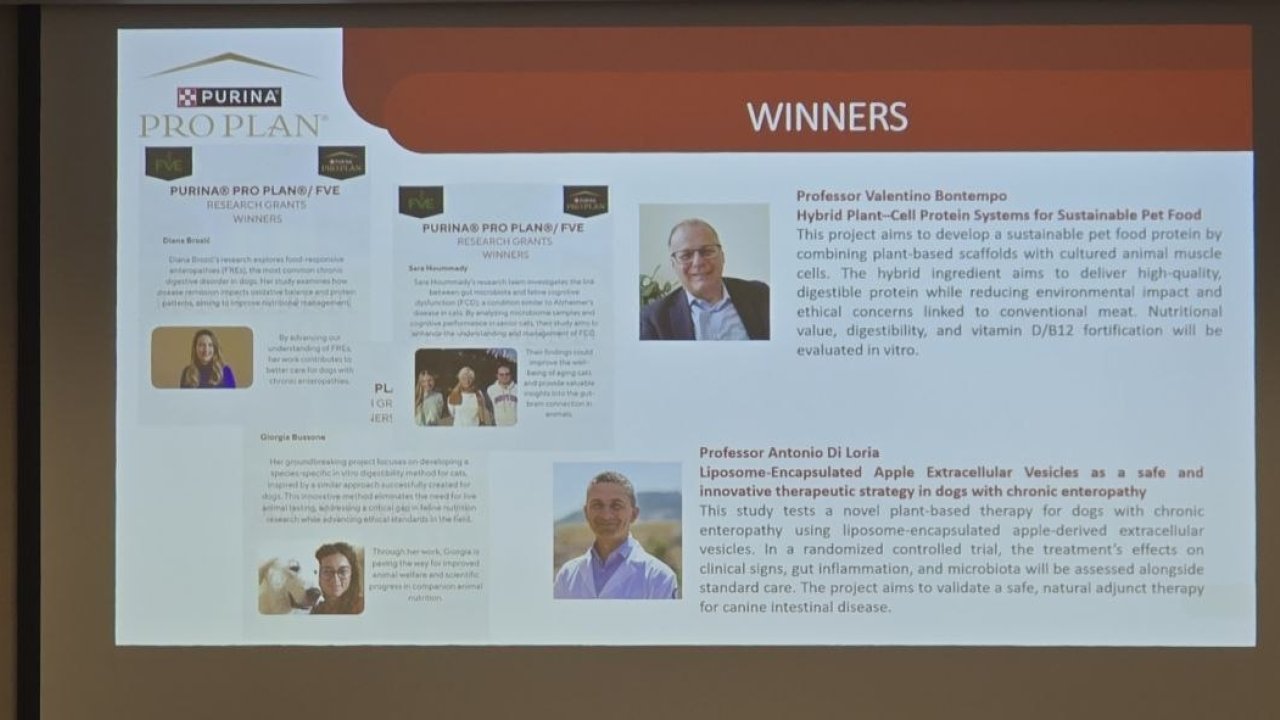
- Nutritional Science Research Grant: With a budget of €20,000, this grant was awarded to three young researchers in 2024 and two in 2025.
- MSD/MS NF Scholarship Program: This program has been successfully running for 10 years. Each year, 34 top veterinary students receive a scholarship of $5,000 to support their studies. The program’s popularity is growing rapidly: while there were 36 applications in 2024, the number of applicants rose to 45 in 2025.
What does this mean for the Ukrainian veterinary business?
The participation of the "Society of Veterinary Business Owners" NGO in FVE meetings grants Ukrainian clinics direct access to state-of-the-art European standards for infection control. We do not have to wait years for these guidelines to be translated and implemented at the state level. Our goal is to integrate ready-made frameworks for infection control and the prudent use of antibiotics into the practice of Ukrainian private clinics right now.
We invite forward-thinking business owners, chief veterinarians, and managers to join our Association at uacbbc.org. Together, we are driving innovation, advancing veterinary science, and building secure businesses that meet European Union standards!
Author: Oksana Bilous, Secretary of the NGO "Society of Veterinary Business Owners."