Veterinary Medicine Under Extreme Conditions: 300 Injections an Hour at -40°C and Patients That Mask Their Pain. Lessons from Lapland for the SVBO NGO.
Colleagues, the FVE General Assembly meeting in Rovaniemi continues to impress with the depth of veterinary medicine's integration into global socio-cultural and economic processes. A particular highlight of the first day was a lecture by guest speaker Hanna Nurmi, focusing on the veterinary, cultural, and environmental aspects of reindeer herding in Finland.

If you think running a veterinary business in Ukraine amidst power outages or a staffing shortage is an extreme challenge, the experience of colleagues in Lapland will make you view the profession from a completely different perspective. Here is a detailed look at how the veterinary industry survives above the Arctic Circle and the unique clinical insights we can adopt.
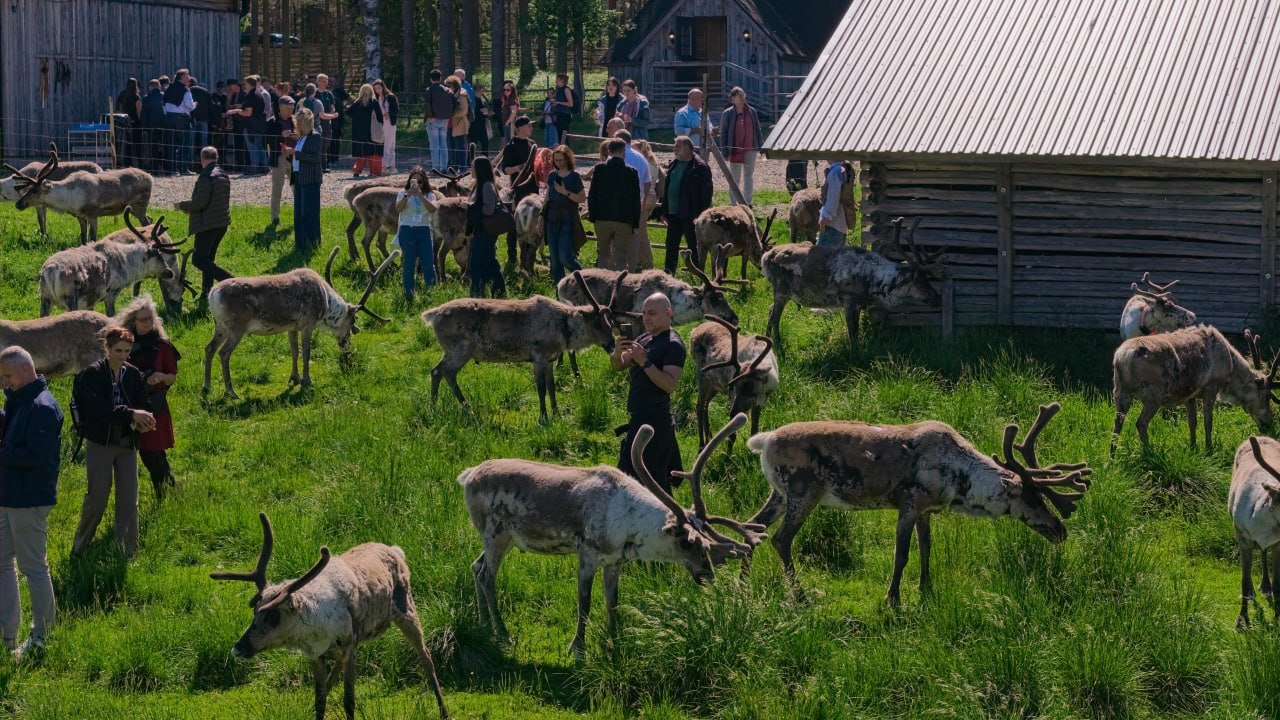
Clinical specifics: reindeer never complain of pain.
For a veterinarian, working with reindeer presents a challenge of the highest order. They are semi-wild animals, completely unaccustomed to human contact or physical restraint.
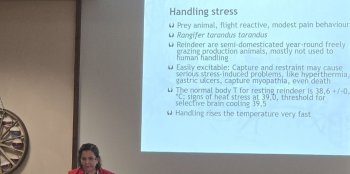
The primary risk for the veterinarian stems from their biological nature: the reindeer is a classic prey animal. Through evolution, they have learned to conceal any signs of pain or weakness as much as possible so as not to attract predators.A deer will behave with complete composure and exhibit minimal behavioral signs of pain, even in the presence of serious pathology. Therefore, veterinary diagnosis in this context relies on a nuanced understanding of behavioral characteristics and the animal's immediate reaction to environmental stressors.
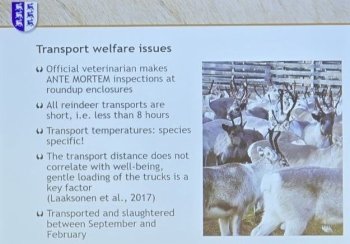
The realities of the treatment process are also striking: during mass seasonal roundups for antiparasitic treatment, veterinary teams can administer around 300 injections per hour. All this often takes place under extreme conditions—with temperatures dropping to -40°C—where conventional equipment and even the solutions themselves behave unpredictably.
The Echoes of the War in Ukraine and the Climate Crisis: Why Finnish Reindeer Are at Risk
A report has revealed surprising and alarming links between global geopolitics and the Lapland tundra. It turns out that veterinary medicine and the profitability of reindeer herding in Finland have been directly affected by Russian aggression in Ukraine:
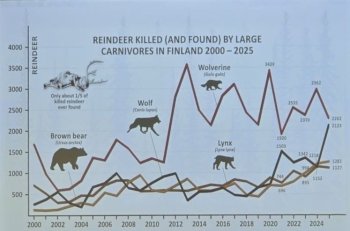
- Wolf Influx Due to the War in Ukraine: Losses caused by large predators (wolves and lynxes) have risen sharply in recent years. DNA analysis of culled wolves revealed that 80% of them were of Russian origin. Following the outbreak of the war in Ukraine, local hunters virtually disappeared from the Russian side of the border, leading to uncontrolled predator breeding and their migration into Finland. Over the past decade, wolf attacks have cost the reindeer meat industry approximately 500 million euros.
- Industrial pressure: Traditional grazing grounds are shrinking drastically due to habitat fragmentation. Reindeer simply lack the space for natural migration cycles because of large-scale human projects: state forestry operations, mines, the construction of data centers and solar power plants, the expansion of NATO bases, and the launch of over 100 wind farm projects.
- Climate collapse (Rain-on-snow): The Arctic is warming too rapidly. In the middle of winter, Lapland is increasingly experiencing rain that freezes instantly upon contact with the snow. This impenetrable layer of ice completely blocks animals from accessing their primary food source: winter lichen (yagel) found on the ground and on trees. Farmers are forced to switch to expensive supplemental feeding in enclosed pens.
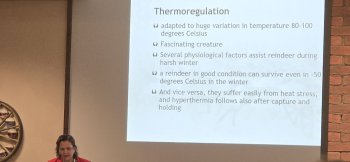
- Summer heat stress: Reindeer are physiologically adapted to extreme cold. Unusually hot summers in Lapland today cause them severe heat stress, trigger mass outbreaks of blood-sucking insects, and provoke outbreaks of new diseases.
Veterinary Oversight in the Sports Industry
Despite the challenges, the Finns are actively developing reindeer tourism (attracting over a million visitors annually) and reindeer racing—a sport officially held since 1932. It is a high-speed, strictly regulated sport. Animal welfare is a top priority: a reindeer cannot be forced to run, and the presence of a certified veterinarian is mandatory at every competition to monitor the animals' health and prevent any mistreatment.
What does this experience teach the "Society of Veterinary Business Owners" NGO?
Global challenges—ranging from climate change and industrialization to the consequences of war—are transforming veterinary medicine worldwide. Finland’s experience demonstrates that business success and the preservation of the industry depend on two factors: the practitioner's deep, specialized knowledge and the community's ability to adapt to force majeure events.
At the NGO SVBO (uacbbc.org), we are building a community of Ukrainian veterinary leaders ready to tackle any market challenge. We help integrate cutting-edge global expertise in clinical diagnostics, biosecurity, and management into the practices of Ukrainian clinics. Don’t face industry challenges alone. Join us at uacbbc.org: together, we will turn global insights into successful solutions for your veterinary business in Ukraine!
Author: Andrii Klietsov, Chairman of the Board of the NGO "Society of Veterinary Business Owners."