Addressing the Veterinary Staff Shortage: European Strategies for Clinic Support, a Guide to Self-Employment, and Lessons for Ukraine
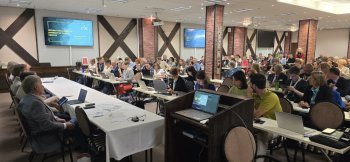
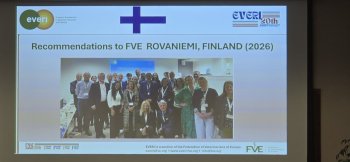
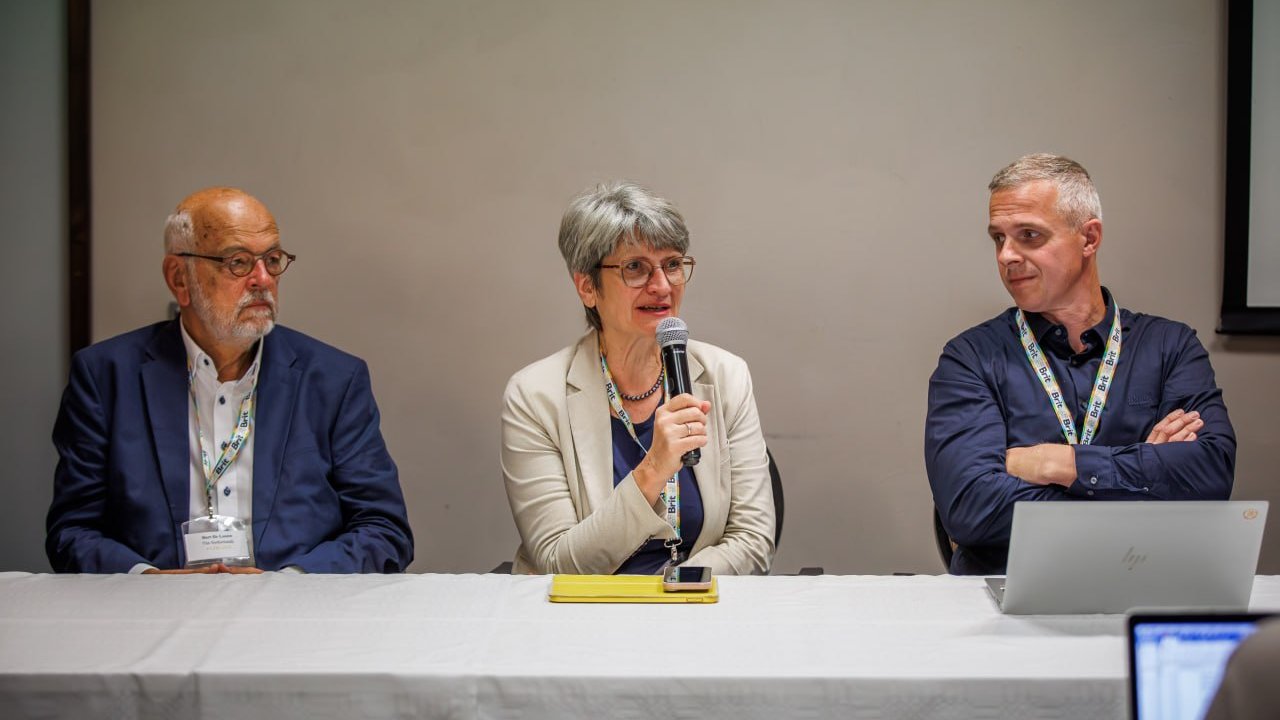
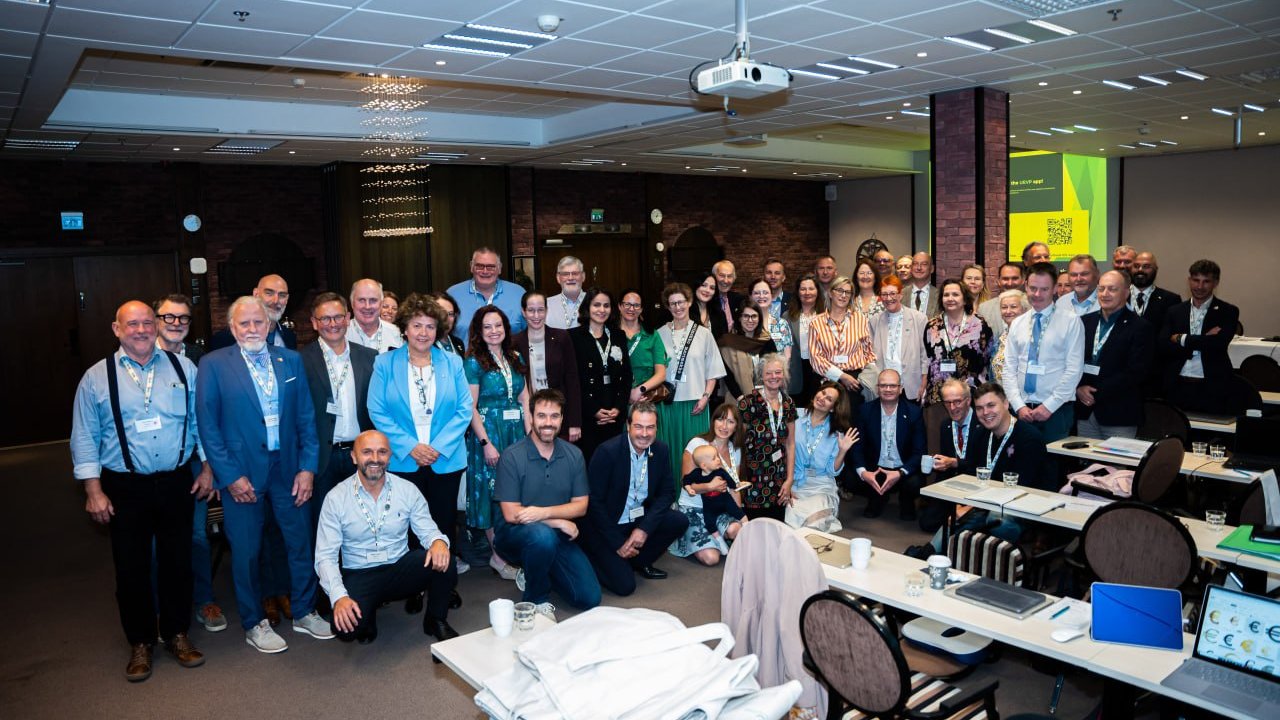
On June 13, 2026, the General Assembly of the Federation of Veterinarians of Europe (FVE) continued its proceedings in Rovaniemi, Finland. This organization serves as the continent's supreme professional body, uniting veterinary associations from 37 countries and coordinating standards for business, education, and biosecurity. During the second part of an interactive session on career diversification, European leaders presented unique national programs—ranging from direct funding for rural veterinarians to the promotion of entrepreneurship among young professionals.
The NGO "Socsety of Veterinary Business Owners" (uacbbc.org) has analyzed these tools, as the staffing shortage and the generational transition crisis in Ukraine’s veterinary sector require real solutions.
Rural Veterinary Medicine: Financial Support Experiences in Romania and Spain
The challenge of attracting professionals to rural areas and to work with livestock is common across Europe. Countries are addressing this issue through state funding and by shifting business models:
- The Romanian subsidy model: According to the president of Romania’s relevant professional body, the country operates under a law that divides its territory into 2,800 veterinary districts. To qualify for state support, a rural clinic must serve a minimum of 300 livestock units within a 30-kilometer radius. The state pays for the veterinarian's hourly work (for example, administering anthrax vaccinations). Additionally, between 2020 and 2025, the government provided a monthly grant of €1,000 to €2,000 to each rural practice to cover administrative expenses. The main condition is that the veterinarian must be present on-site and maintain an eight-hour workday throughout the week.In total, Romania allocates approximately 17 million euros annually to support this program.
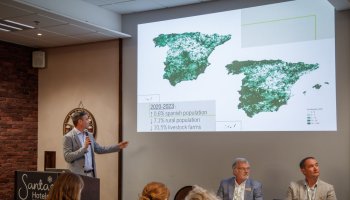
- The Spanish approach to the shortage: Gonzalo Moreno, President of the Spanish Veterinary Council, presented a demographic map of the country. Veterinary clinics and farms are concentrated around major cities and the coast, while vast inland areas remain without veterinarians. Instead of the uncontrolled opening of new veterinary faculties, the Spanish veterinary community is calling on policymakers to implement a different system: targeted student selection, scholarship programs, salary supplements for rural veterinarians, and tax incentives for private practices in depopulated regions.
Running Your Own Business vs. Employment: The German Experience in Entrepreneurship Development
Christian, Vice President of the German Federal Chamber of Veterinarians, presented a fascinating case study. He announced the release of an official practical guide to self-employment.
The German veterinary market is undergoing a major transformation: since 2023, the number of employed veterinarians has officially surpassed the number of business owners, while the ranks of self-employed practitioners continue to decline rapidly. This raises a logical question: who will open, acquire, and develop the veterinary clinics of the future?
This German guide aims to show young professionals that running one’s own business is not merely about financial risks and endless bureaucracy, but—above all—about professional freedom, flexibility, and room for innovation. The manual provides a detailed analysis of modern forms of veterinary entrepreneurship, ranging from traditional clinic ownership to group practices, mobile clinics, consulting, and telemedicine.
Retaining Young Specialists: Mentorship, "Protected Time," and Infrastructure
Representatives from the independent sector (drawing, in particular, on UK experience) shared strategies for retaining recent graduates in private multidisciplinary clinics. The primary focus is on comprehensive onboarding and integration:
- Mentorship Culture and "Protected Time": Experienced physicians at the clinic develop mentorship skills. Young specialists are guaranteed "protected time" within their work schedules—dedicated hours during which they are not seeing patients continuously but instead have the opportunity to analyze complex cases, complete medical records, or consult with colleagues.
- Early development of non-clinical skills: The post-graduation induction program includes mandatory training in time management, decision-making under pressure, conflict resolution, client communication, and an understanding of veterinary business economics (balancing the cost and value of services). The organizers base this on the mandatory 18-month RCVS Graduate Development Program (GDP), which requires formal sign-off and commitments from both the employer and the early-career professional.
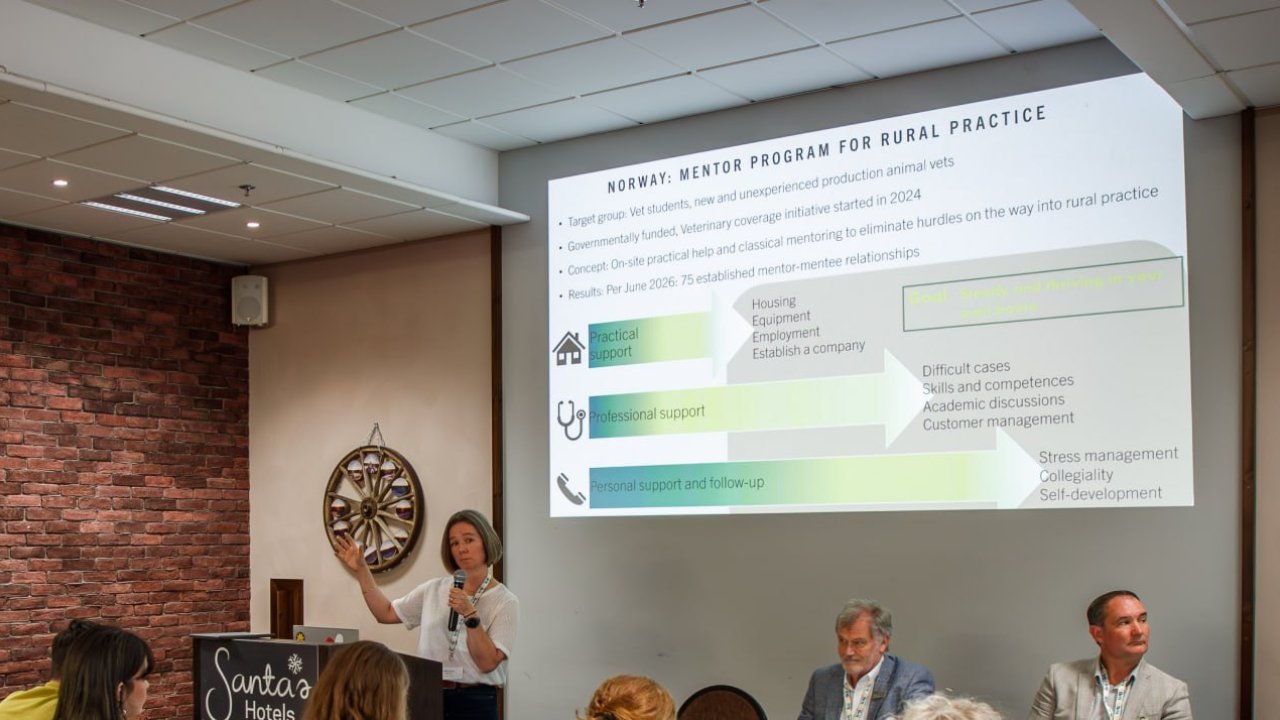
A key point raised by colleagues from Canada: Delegates emphasized that young doctors often leave their jobs in regional areas after just one year—not because of issues within the clinic itself, but due to surrounding social factors. For a doctor working in a rural area with 24/7 on-call duties, a well-developed local infrastructure is crucial—specifically, employment opportunities for their spouse and access to affordable childcare. Overcoming the staffing shortage is impossible without municipal support; this is confirmed by the experience of Norway, where, by law, local communities are responsible for funding veterinary on-call services.
SVBO NGO: Uniting All Licensed Veterinarians in Ukraine
Global discussions at the FVE Assembly demonstrate that a successful veterinary business, protection against practitioner burnout, and clinic financial stability all begin with a strong professional association. The NGO "Society of Veterinary Business Owners" (SVBO) promotes these progressive European values in Ukraine.
We aim to reduce the bureaucratic burden on private practices, help implement mentorship systems, and train veterinary teams in business processes. Our organization is rapidly scaling up and opening its doors to new members:
In accordance with our NGO’s Charter, any licensed veterinarian holding a degree in veterinary medicine is eligible to join the "Society of Veterinary Business Owners."
Whether you own a large veterinary hospital or operate as an independent practitioner—in a rural area or a city—if you hold a veterinary degree and an official license, you are part of our large professional family. Together, we can adapt the best European subsidy programs, protect independent practice, and elevate veterinary management in Ukraine to the level of the world's leading nations.
Join the market leaders! Visit uacbbc.org, fill out the membership application, and grow your veterinary business with us.
Author of the publication: Nataliia Klietsova, Public Relations Manager at the NGO "Society of Veterinary Business Owners" (NGO SVBO).