Where Veterinary Professionals Go: European Career Management Case Studies and New Horizons for Ukraine
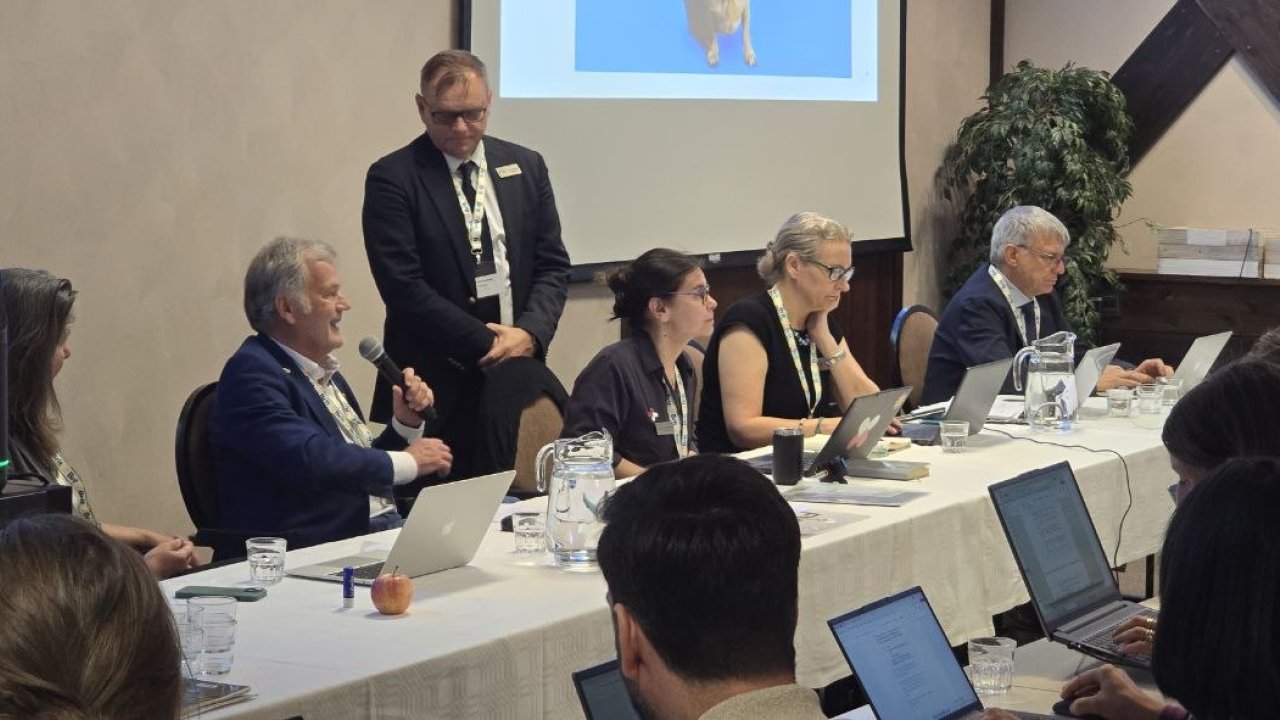
On June 13, a new day of intensive work began at the General Assembly of the Federation of Veterinarians of Europe (FVE) in Rovaniemi. A key highlight of the morning panel was a major interactive session focused on diversifying career choices among students and aligning their expectations with the actual needs of the labor market.
As the Public Relations Manager for the NGO SVBO (uacbbc.org), I took detailed notes on the presentations given by international experts. The staffing crisis and the reluctance of young people to enter certain sectors of medicine constitute a global challenge. However, our European colleagues have already developed effective programs that we can—and must—implement in Ukraine.
Why a staffing shortage arises: the session's key insight.
During the panel discussion, a crucial point was raised that sheds light on the mindset of young professionals:
A student's lack of interest in a specific veterinary field (such as working with livestock or in the public sector) often stems simply from a lack of knowledge. Young people simply do not understand what the daily routine of such a specialist looks like, the tasks they handle, or the career prospects available to them.
That is precisely why leading European associations have shifted their focus from theory to the creation of unique practical projects that demonstrate the genuine appeal of various career paths.


Four Successful European Programs for Young Veterinarians
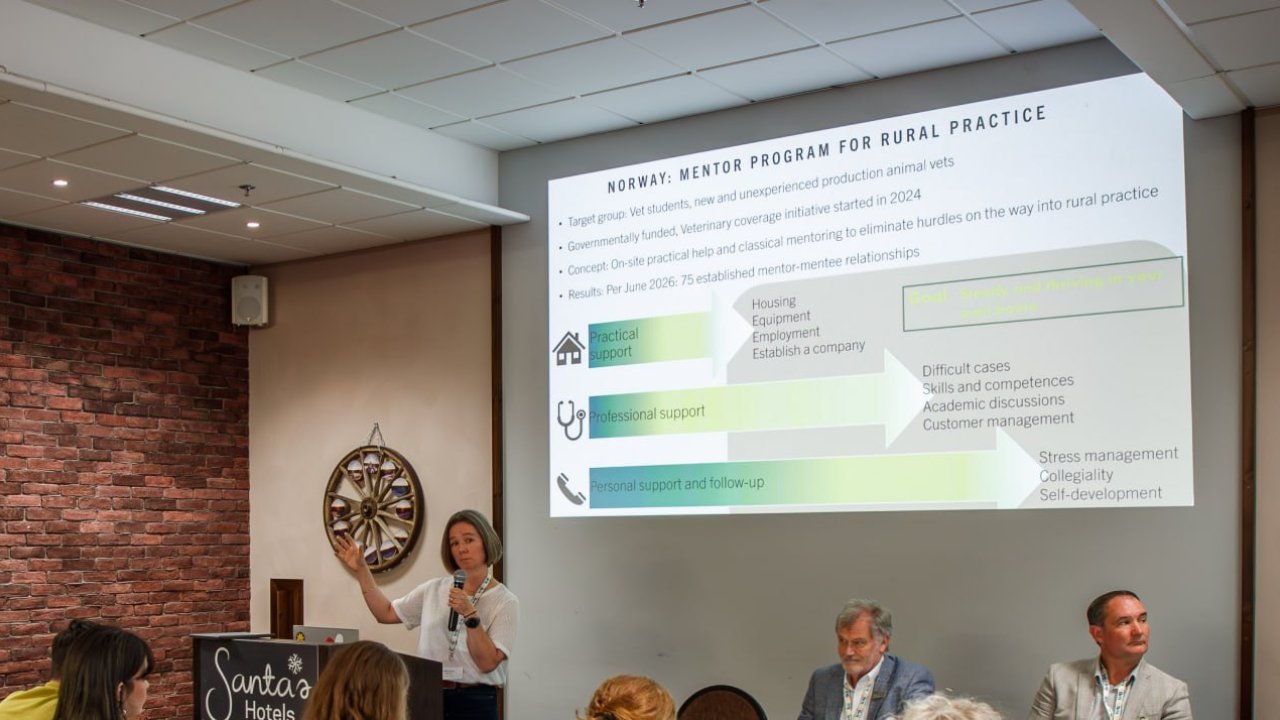
Five speakers addressed the delegates, presenting specific tools for attracting personnel to sectors facing labor shortages:
- State-commissioned placements and contracts in Austria
The President of the Austrian Association of Public Veterinary Officers described a unique reform being implemented in the 2024–2025 academic years. Universities are allocating a portion of student places—specifically for those ranking in the top 25%—under a special "public interest" quota. Students receive funding and scholarships but must sign a contract committing them to work for 5 to 7 years in public veterinary offices or practices.In addition, the Austrians organize regular summer schools for teenagers aged 14–17 to introduce them to the profession in advance.

- Highest grants for rural practice
Another pilot project aims to provide financial support to students in their final two years of study. The state provides targeted funding, while the veterinary chamber coordinates with clinics facing an acute staffing shortage. Students are offered a contract to work in rural areas in exchange for a stipend that is the highest in the region. A survey revealed that 32% of students are interested in field practice, and this grant helps them make their final decision.
- Summer School on Cattle Management
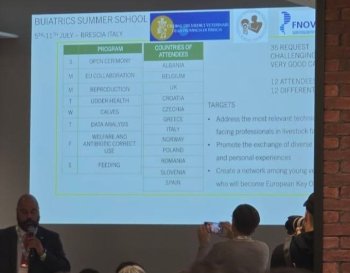
To overcome professional isolation and a lack of practical skills in working with cattle, European leaders have organized an intensive Summer School starting in early July. Although the program lasts only one week, it provides a vast amount of knowledge regarding herd health analysis. The project has generated significant interest, with 35 applications received from various countries—including Romania, Slovenia, and Spain—for just 12 available spots. The goal is to create a network of future thought leaders who will champion this sector.
- Internship in France: A Career in the Animal Health Industry
A joint initiative between veterinary associations and a major global veterinary pharmaceutical company has been developed for those interested in industrial veterinary medicine and pharmaceuticals. A one-week internship program is set to begin in December 2026 at the company’s headquarters in France. Final-year students will gain in-depth insight into the entire drug development cycle—from research, clinical trials, and manufacturing to marketing and pharmacovigilance.
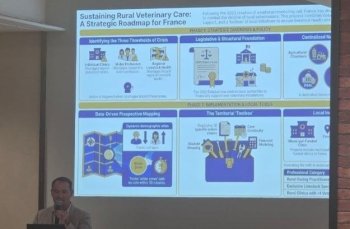
The European Association of Veterinary Education (EAEVE) also emphasized that students are now involved in all decision-making processes and even serve on official committees that assess universities' compliance with European standards.

Ukrainian Veterinary Students on the Global Stage via IVSA International
At the SVBO NGO, we are convinced that Ukrainian veterinary students possess tremendous potential. We are committed to ensuring that our students do not remain isolated from these outstanding European opportunities, internships, and grants.
Our Association actively supports and encourages Ukrainian students to join IVSA International (International Veterinary Students' Association). This serves as a unique bridge, enabling future Ukrainian veterinarians not only to adopt cutting-edge technologies but also to powerfully project our national and professional values on the global stage, showcasing the resilience of the Ukrainian veterinary community to the world.
The SVBO NGO Opens Its Doors to All Ukrainian Veterinarians
European experience clearly demonstrates that workforce stability, the reduction of bureaucracy, and business growth are achievable only when the professional community acts as a united front. That is precisely why our organization is expanding the scope of its activities.
We would like to remind you that, in accordance with the current Charter of our NGO, the "Society of Veterinary Business Owners" is open to all licensed veterinarians holding a degree in veterinary medicine.
If you hold a veterinary degree and are engaged in licensed practice in Ukraine—whether you own a large hospital chain, work as a farm veterinarian, or operate as a private practitioner (sole proprietor)—we invite you to join us. Together, we will implement mentorship programs for young professionals, develop teams' non-clinical skills, and integrate the Ukrainian veterinary business sector into the European system.
Author of the publication: Nataliia Klietsova, Public Relations Manager at the NGO "Society of Veterinary Business Owners" (NGO SVBO).